
Laguna Beach has never been a market for the faint of heart. Properties here move fast, prices hold strong through economic cycles, and inventory stays tight because there is simply not much land left to build on. For investors who understand what they are looking at, that combination is actually an asset not a warning sign.
Whether you are considering your first investment property or adding to an existing portfolio, Laguna Beach operates by its own rules. The financing side of that equation is where preparation separates buyers who close from buyers who keep almost closing. Working with a Southern California mortgage expert who knows this market gives you a meaningful edge from the very first conversation.
Why Laguna Beach Attracts Serious Real Estate Investors
The fundamentals here are hard to argue with. Oceanfront and ocean-view properties in this city have historically appreciated steadily, even during periods when broader California markets softened. The short-term rental demand driven by tourism, the arts festival season, and year-round coastal appeal keeps income potential strong for buyers who structure their purchase correctly.
Limited supply is the other piece. Laguna Beach is geographically constrained in ways most inland markets are not. New construction is rare, and what does come to market tends to attract multiple interested parties quickly. Buyers who are pre-approved and ready to move decisively consistently outperform those still exploring their financing options when the right property surfaces.
Investment Property vs. Second Home: The Distinction That Matters
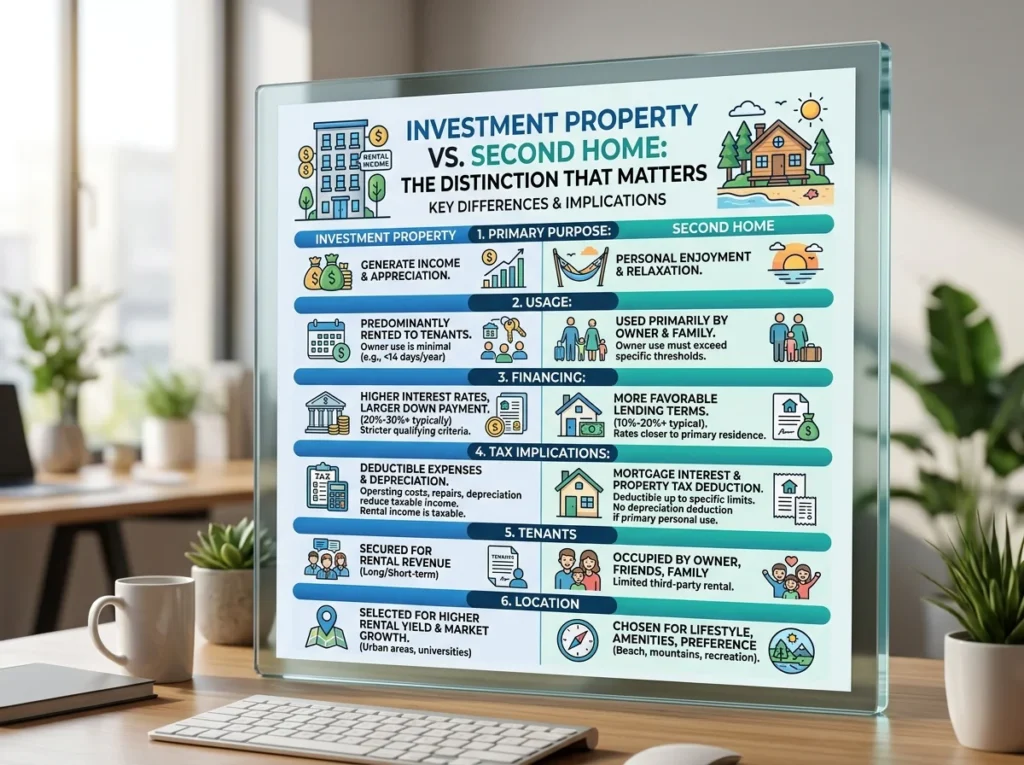
Before you start talking numbers with a lender, be clear about how you intend to use the property. If you plan to rent it out primarily as an income-generating asset, lenders will classify it as an investment property not a second home. That classification changes your loan program options, your down payment requirement, and your interest rate in ways that meaningfully affect your returns.
Investment property financing in California typically requires a minimum of 20% to 25% down. Rates run higher than primary residence or second home loans, and reserve requirements are more substantial. None of that makes investment financing impractical it just makes accurate planning essential before you start making offers.
Loan Options for Laguna Beach Investment Properties
Conventional loans are the primary vehicle for investment property purchases here. Government-backed programs like FHA and VA are off the table for properties you do not intend to occupy as your primary residence. Conforming conventional loans work well for properties within standard loan limits, but given Laguna Beach price points, jumbo financing is a frequent reality.
Jumbo loans for investment properties come with their own qualification standards. Lenders scrutinize your income, existing debt load, cash reserves, and credit profile more closely on investment files than on owner-occupied ones. Your debt-to-income ratio needs to hold up under the weight of your current obligations plus the new payment, and lenders want to see that you have reserves left over after closing not just enough to barely get through it.
How Rental Income Factors Into Your Qualification
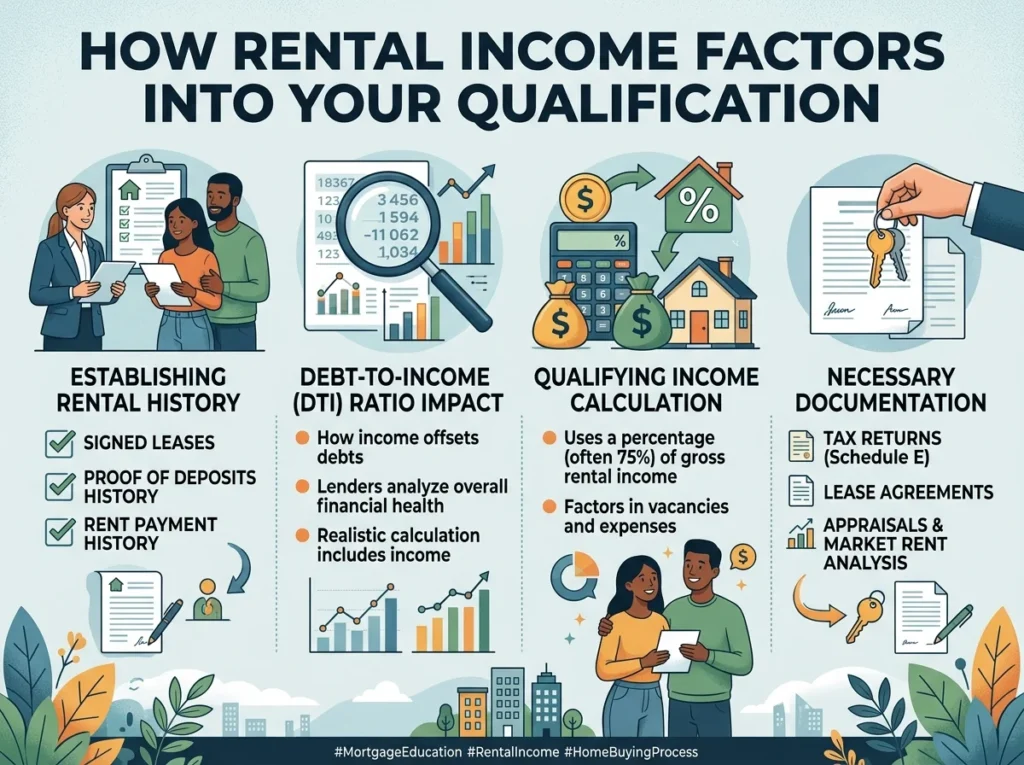
If you are purchasing a property with documented rental income potential, some lenders will allow a portion of that projected income to help you qualify. The rules around this vary some require an existing lease, others use market rent estimates from the appraisal, and still others apply a vacancy factor that reduces the credit they give you.
Understanding what your specific lender will and will not count before you apply shapes how you present your file. An experienced loan officer who works regularly with investment property buyers in Orange County will know exactly how to position your application. This is not the kind of transaction where a generalist lender adds much value. You can review our simple and efficient mortgage process to understand what working with a specialist actually looks like.
What Your Down Payment Actually Buys You
Coming in at 25% or more on an investment purchase is not just a lender requirement it is a strategic decision. A larger down payment reduces your loan-to-value ratio, which typically improves your interest rate, eliminates PMI, and lowers your monthly carrying cost. All three of those directly improve your cash flow picture from day one.
In a market like Laguna Beach where gross rents can be substantial, the difference between a breakeven cash flow and a positive one often comes down to how the financing is structured. Spending time with your mortgage loan officer modeling different down payment scenarios before you commit to a purchase price is time well spent. Check out our competitive rates and fees page to start understanding what the numbers look like.
Reserve Requirements After Closing
This is the piece most first-time investors underestimate. After your down payment and closing costs are settled, lenders want to see that you still have meaningful liquid assets remaining. For investment properties, that reserve requirement is typically higher than for primary residences often six months of payments or more on the subject property alone, sometimes covering other properties you own as well.
Savings accounts, brokerage accounts, and most retirement accounts count toward your reserve total. Your lender will document all of it. Knowing this requirement exists before you commit your savings entirely to the down payment is important come into the process with a realistic picture of what your liquid position looks like after closing.
Building a Long-Term Strategy Around a Laguna Beach Asset

The investors who do best in markets like this are the ones who think in decades, not months. Short-term rental income is one piece of the equation appreciation, equity accumulation, and the optionality that comes from owning a well-located coastal asset are the others. How you finance the purchase shapes all of those outcomes.
Some buyers use a cash-out refinance on an existing primary residence to fund the down payment on a Laguna Beach investment. Others leverage equity from a prior investment property. Whatever your entry strategy, mapping it out with a lender who understands the full picture not just the current transaction keeps your long-term financial position intact.
Ready to explore what investment financing in Laguna Beach actually looks like for your situation? Contact Nathan Carpenter today for a straightforward conversation with no pressure and real numbers.
Frequently Asked Questions
Do I need perfect credit to finance an investment property in Laguna Beach?
Not perfect but strong. Most lenders look for a minimum score around 680 to 700 for investment property financing, with the best pricing available above 740. Your full financial profile matters alongside the score itself.
Can I use a 1031 exchange to defer taxes when purchasing a Laguna Beach investment property?
Yes, a 1031 exchange allows you to defer capital gains taxes by rolling proceeds from a sold investment property into a qualifying replacement property. Speak with your tax advisor about the timeline and identification rules before you close on a sale.
How do lenders verify that I can afford two or more mortgages simultaneously?
Lenders review your debt-to-income ratio, which compares your total monthly obligations to your gross monthly income. They also look at your cash reserves after closing to confirm you can absorb temporary disruptions without defaulting on either property.